
.svg)


Pacific experts advance Regional Kava Standards in Sydney
Statements
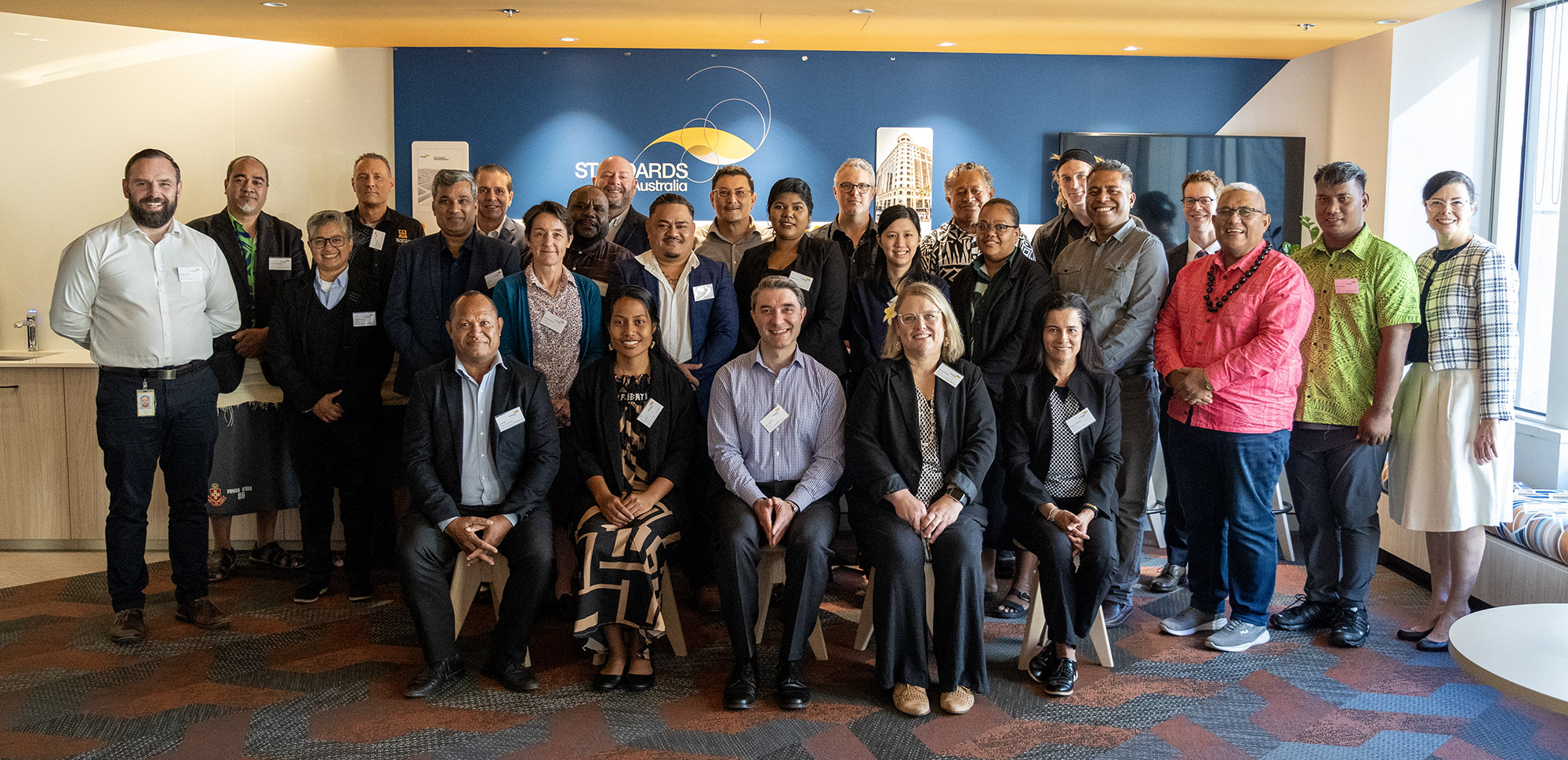
Pacific Island countries have taken a major step towards securing the future of kava, one of the region’s most culturally significant products, with the conclusion of Kava Standards Week in Sydney.
The inaugural meeting brought together 20 technical experts from nine Pacific Island countries, alongside representatives from Australia and New Zealand, to progress a unified regional approach to kava quality and safety. Participants included delegates from Fiji, Samoa, Tonga and Vanuatu, as well as Niue, Tuvalu, Kiribati, Papua New Guinea and the Solomon Islands.
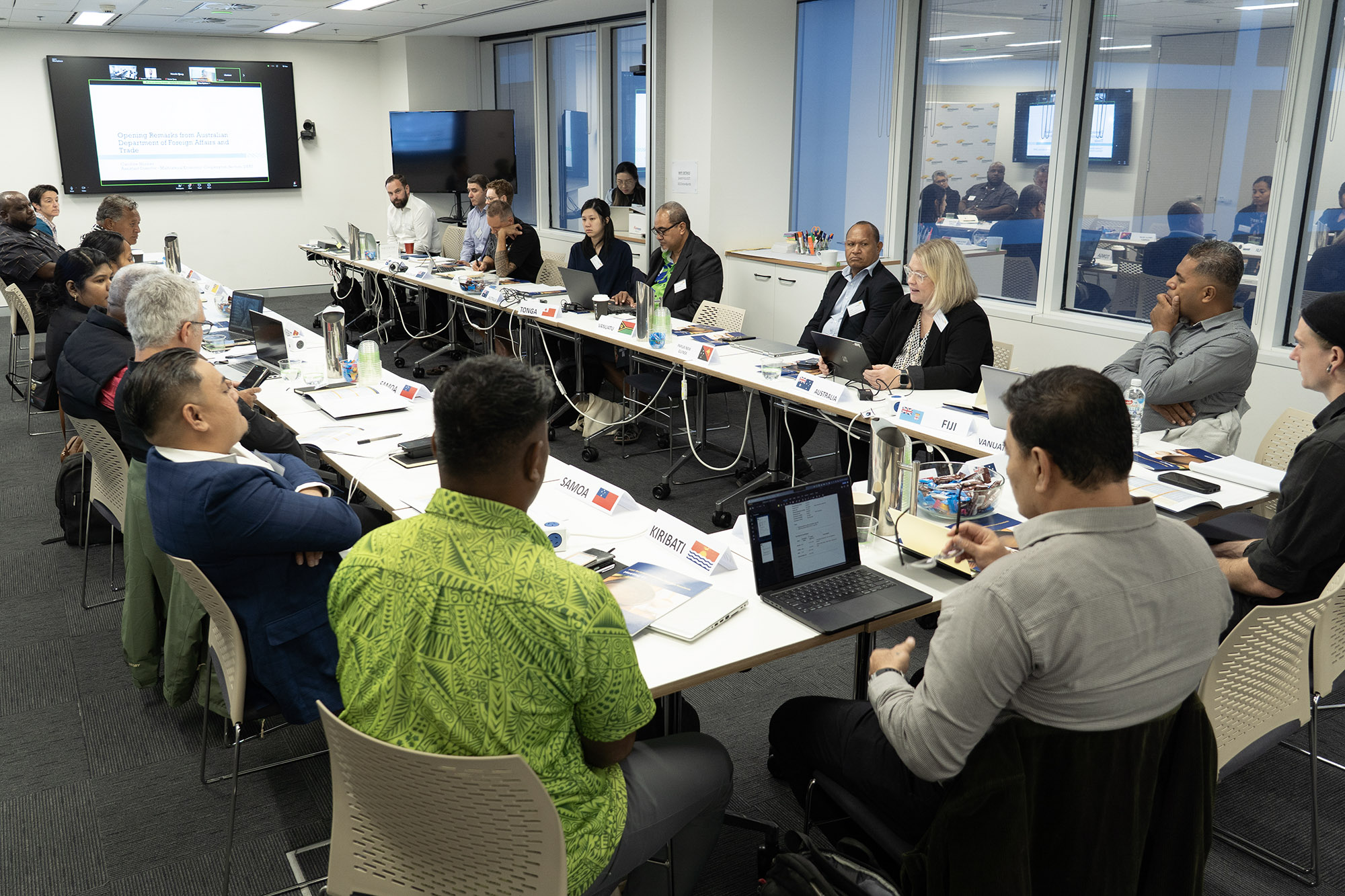
Delivered in partnership with the Pacific Islands Forum Secretariat and supported by the Department of Foreign Affairs and Trade, the week marked the first meeting of the Pacific Islands Standards Committee TC3 Kava Standards. The program combined formal committee sessions with practical capacity building workshops, strengthening regional expertise and collaboration.
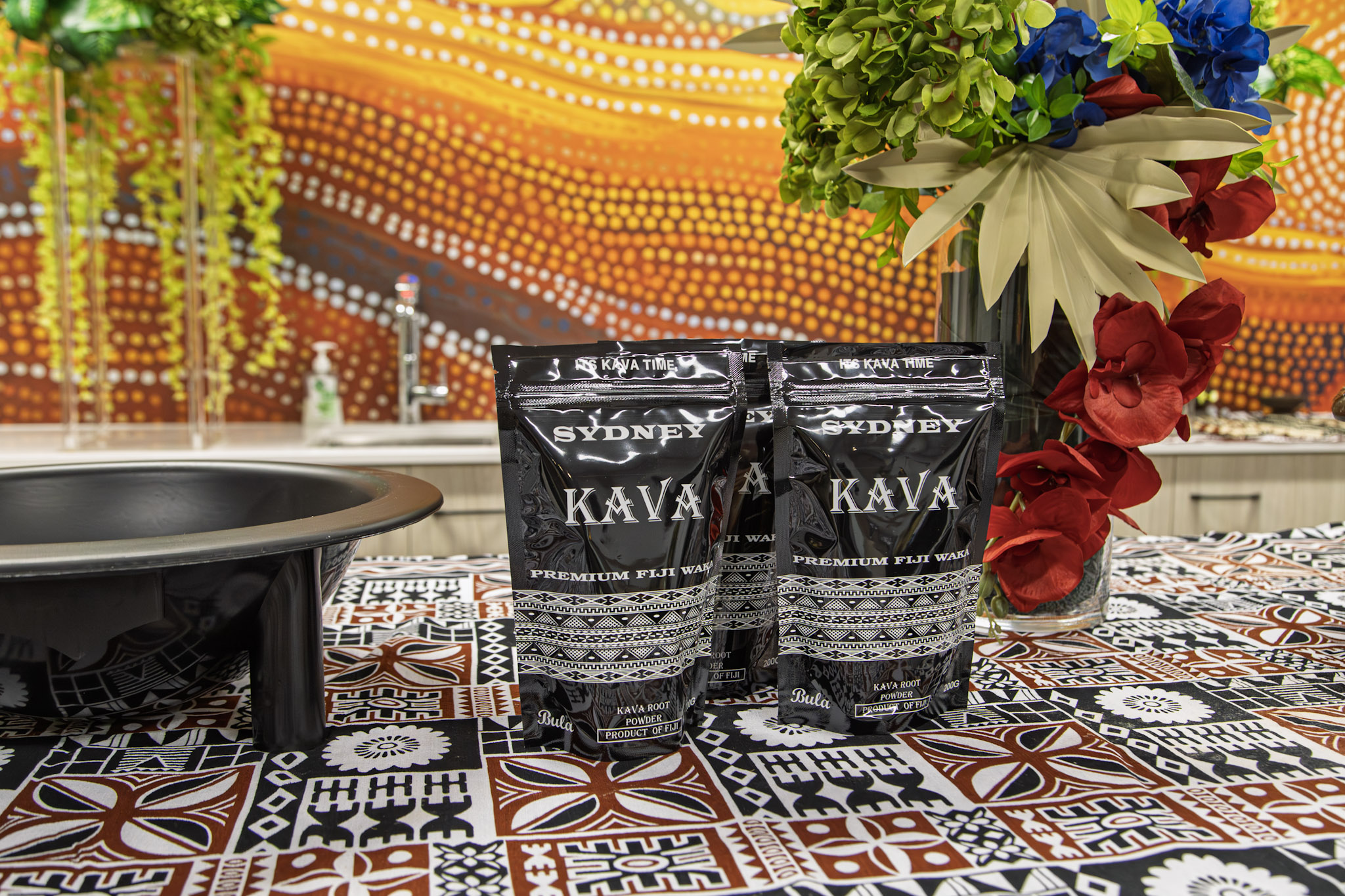
Kava, a traditional beverage made from the root of the Piper methysticum plant, plays a central role in cultural, social and community life across the Pacific. As international demand grows and trade expands, alignment on quality and safety requirements has become increasingly important for producers, regulators and communities alike.
With the global kava market projected to grow from A$2.1 billion in 2023 to A$7.3 billion by 2032, the development of a robust regional standard is critical to supporting sustainable livelihoods while protecting cultural heritage.
A well-designed regional kava standard is expected to:
- Maintain consistent quality across Pacific-produced kava
- Build consumer confidence in both domestic and export markets
- Support regulatory compliance and market access
- Lay the groundwork for a future Geographical Indication, protecting Pacific kava’s provenance and long-term value
Importantly, the regional standard is designed to work alongside, not replace, existing national standards and the current Codex framework, enhancing alignment while respecting national contexts.
"We are embarking on a very important project. We already have national standards for each Pacific country, it's good to have something that's internationally recognised. This will be a benchmark where all other national standards can align to", said Mr Dou Bolly, Manager – Biology & Chemical Standards at Papua New Guinea National Institute of Standards and Industrial Technology.
The inaugural technical committee meeting delivered strong outcomes, including agreement on the scope through endorsed Terms of Reference and the development of a shared roadmap spanning the next 12 months, one to three years, and the longer term. The week also focused on strengthening members’ skills in standards development, testing and conformance, while building trust and collaboration across borders.
"Standards Australia has always been a partner to the Pacific Islands Forum Secretariat. Since the beginning they have been supporting the region in setting up standards but also capacity building for the National Standards Bodies and the experts working in this domain", said Mr Alok Jain, Pacific Quality Infrastructure Coordinator at Pacific Island Forum Secretariat.
“This work reflects Standards Australia’s long-term commitment to partnership with Pacific communities, grounded in respect, collaboration and the principle that strong standards are built with communities. The Sydney meeting is a significant milestone in that journey”, emphasised Rod Balding, CEO at Standards Australia.
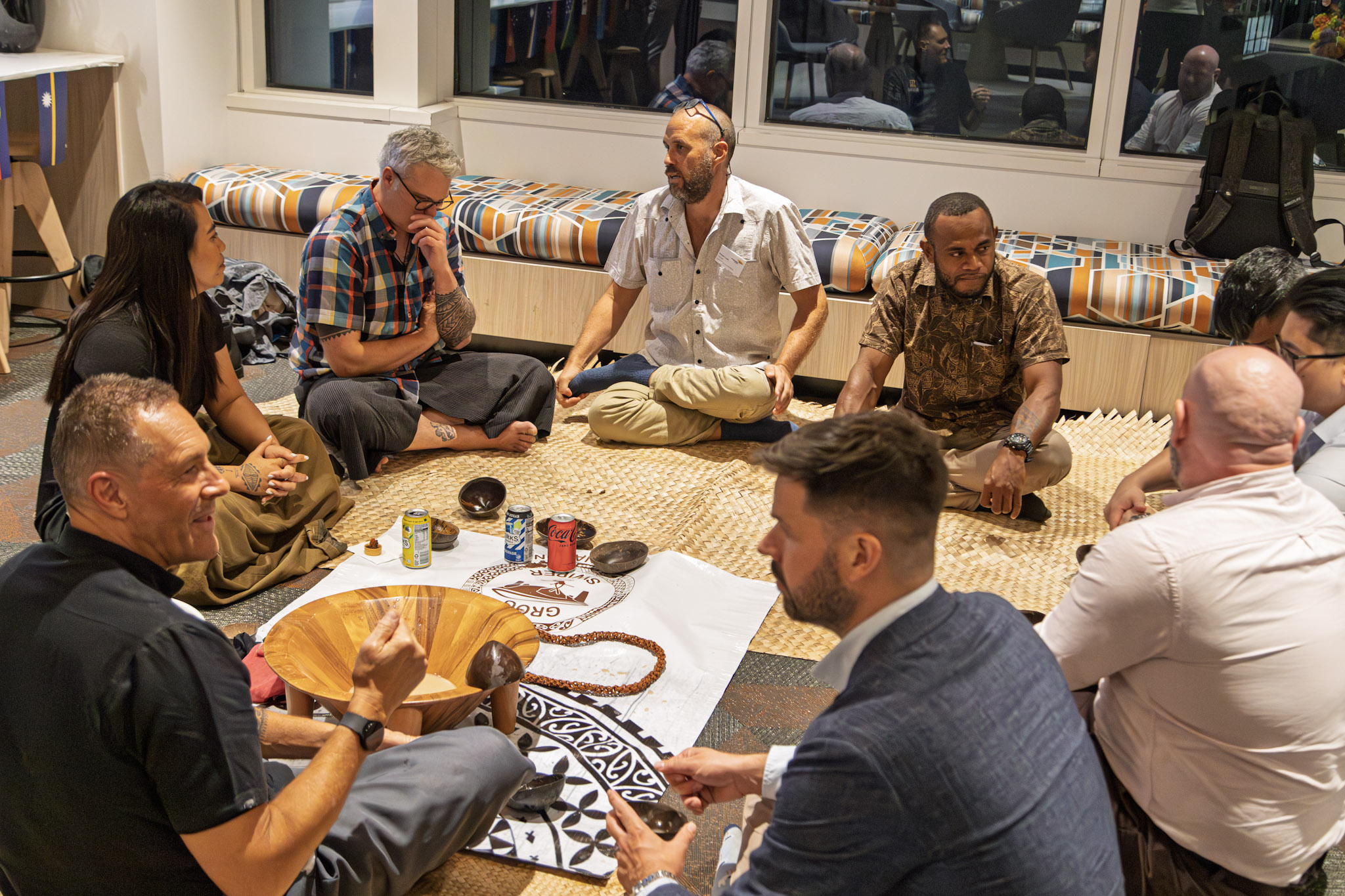
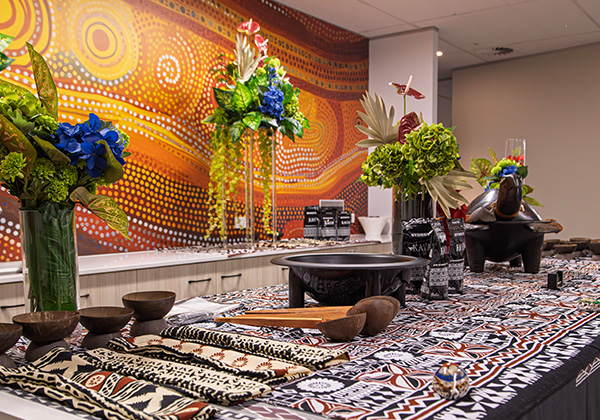
Standards Australia welcomed the opportunity to host this milestone Talanoa*, underscoring a Pacific led, inclusive approach to standards development that places culture, community and economic opportunity at its core.
_____
*Talanoa is a traditional word used across the Pacific to reflect a process of inclusive, participatory, and transparent dialogue.
Pacific Island countries have taken a major step towards securing the future of kava, one of the region’s most culturally significant products, with the conclusion of Kava Standards Week in Sydney.
The inaugural meeting brought together 20 technical experts from nine Pacific Island countries, alongside representatives from Australia and New Zealand, to progress a unified regional approach to kava quality and safety. Participants included delegates from Fiji, Samoa, Tonga and Vanuatu, as well as Niue, Tuvalu, Kiribati, Papua New Guinea and the Solomon Islands.
Delivered in partnership with the Pacific Islands Forum Secretariat and supported by the Department of Foreign Affairs and Trade, the week marked the first meeting of the Pacific Islands Standards Committee TC3 Kava Standards. The program combined formal committee sessions with practical capacity building workshops, strengthening regional expertise and collaboration.
Kava, a traditional beverage made from the root of the Piper methysticum plant, plays a central role in cultural, social and community life across the Pacific. As international demand grows and trade expands, alignment on quality and safety requirements has become increasingly important for producers, regulators and communities alike.
With the global kava market projected to grow from A$2.1 billion in 2023 to A$7.3 billion by 2032, the development of a robust regional standard is critical to supporting sustainable livelihoods while protecting cultural heritage.
A well-designed regional kava standard is expected to:
- Maintain consistent quality across Pacific-produced kava
- Build consumer confidence in both domestic and export markets
- Support regulatory compliance and market access
- Lay the groundwork for a future Geographical Indication, protecting Pacific kava’s provenance and long-term value
Importantly, the regional standard is designed to work alongside, not replace, existing national standards and the current Codex framework, enhancing alignment while respecting national contexts.
"We are embarking on a very important project. We already have national standards for each Pacific country, it's good to have something that's internationally recognised. This will be a benchmark where all other national standards can align to", said Mr Dou Bolly, Manager – Biology & Chemical Standards at Papua New Guinea National Institute of Standards and Industrial Technology.
The inaugural technical committee meeting delivered strong outcomes, including agreement on the scope through endorsed Terms of Reference and the development of a shared roadmap spanning the next 12 months, one to three years, and the longer term. The week also focused on strengthening members’ skills in standards development, testing and conformance, while building trust and collaboration across borders.
"Standards Australia has always been a partner to the Pacific Islands Forum Secretariat. Since the beginning they have been supporting the region in setting up standards but also capacity building for the National Standards Bodies and the experts working in this domain", said Mr Alok Jain, Pacific Quality Infrastructure Coordinator at Pacific Island Forum Secretariat.
“This work reflects Standards Australia’s long-term commitment to partnership with Pacific communities, grounded in respect, collaboration and the principle that strong standards are built with communities. The Sydney meeting is a significant milestone in that journey”, emphasised Rod Balding, CEO at Standards Australia.
Standards Australia welcomed the opportunity to host this milestone Talanoa*, underscoring a Pacific led, inclusive approach to standards development that places culture, community and economic opportunity at its core.
_____
*Talanoa is a traditional word used across the Pacific to reflect a process of inclusive, participatory, and transparent dialogue.