.svg)


Standards Australia calls on industry to help shape high voltage safety
Statements
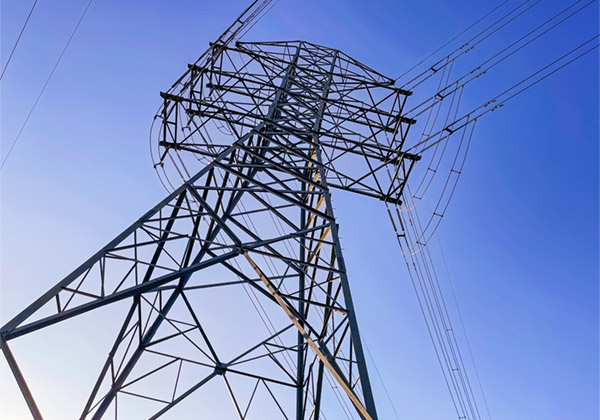
High voltage electrical work carries serious safety risks, which makes the standards that govern it critically important.
A significant new Australian Standard® for high voltage electrical installations is now open for public comment, and Standards Australia is encouraging input from across the electrical industry.
The DR AS 61936.1 draft standard applies to high voltage electrical power installations exceeding 1 kV AC and 1.5 kV DC and is open for public comment until 21 April 2026.
The draft may eventually replace AS 2067 – Substations and high voltage installations exceeding 1 kV a.c., one of Australia’s most heavily relied‑upon high voltage installation standards.
Why this matters to the electrical industry
AS 2067 plays a critical role in Australia’s electrical framework. It is referenced in the AS/NZS 3000 Wiring Rules, which are then adopted by regulators around the country.
Chief of Engagement, Standards and International Relations at Standards Australia, Karen Batt, said:
“While the 2016 version of AS 2067 remains current, the release of this new draft standard represents a potential future shift. Anyone involved in high voltage installations should review the draft to understand how it may affect their current and future work.”
Alex Baitch, Chair of the EL‑043 High Voltage Installations committee, said public feedback is essential to ensuring the Standard works in real‑world conditions.
“High voltage standards underpin some of the highest‑risk electrical work in Australia. This public comment period gives industry the opportunity to review the draft closely and tell us whether it is practical and clear in day‑to‑day operations.”
What is AS 61936.1?
DR AS 61936.1 is the draft standard that sets out requirements for the design and installation of high voltage electrical power systems operating above 1,000 volts AC and 1,500 volts DC. Its aim is to support safe and consistent high voltage installations across Australia.
The draft is based on the third edition of the international standard IEC 61936‑1, published in 2021. This edition updates the version that underpins AS 2067:2016 and reflects more recent industry experience and feedback, including contributions from Australia.
A new approach has been used to clearly show Australian changes to the international text. Any variations or additional requirements are marked using underscored italic text or strike-through text, with the rest of the IEC content unchanged. Additional Australian material is included in Appendices ZA to ZJ.
While the overall structure remains familiar, the draft includes several important updates. Guidance on safe working has been moved to an annex and is proposed to be mandatory. The draft also updates local content in areas such as earthing, fire risk management, and protection systems, reflecting current Australian practices.
The value of international alignment
Aligning Australian Standards with international standards delivers long‑term benefits for industry. It allows Australia to leverage international experience and lessons learned, including those arising from incidents, technological advancements and evolving safety expectations worldwide.
Karen said international alignment is an important part of maintaining confidence in Australia’s Standards system.
“By aligning more closely with respected international Standards, while tailoring them for Australian conditions, we can support innovation, improve safety outcomes and give industry confidence that our Standards reflect established global practice.”
Why public comment is critical
The public comment stage allows people who use standards every day to help shape the final document. Feedback can help identify unclear wording, practical challenges, or areas where additional guidance may be needed.
Once published, standards may be referenced by legislation, regulators, and contractual arrangements. Reviewing and commenting now helps ensure the final standard is clear, practical and fit for purpose before it becomes widely relied upon.
Supporting the safety of Australians
At its core, this work is about safety. High voltage installations pose serious risks not only to electrical workers, but also to the wider community if systems fail or are not managed properly.
Strong, up‑to‑date Australian Standards help reduce the likelihood of serious incidents, support safer workplaces and contribute to the reliable supply of electricity that homes, hospitals, businesses and essential services depend on every day. Over time, this helps protect lives and strengthens trust in Australia’s electrical infrastructure.
Have your say
DR AS 61936.1:2025 – Electrical power installations exceeding 1 kV AC and 1.5 kV DC is open for public comment until 21 April 2026 via Standards Australia Connect. Anyone with an interest in high voltage electrical installations is encouraged to review the draft and provide feedback.
High voltage electrical work carries serious safety risks, which makes the standards that govern it critically important.
A significant new Australian Standard® for high voltage electrical installations is now open for public comment, and Standards Australia is encouraging input from across the electrical industry.
The DR AS 61936.1 draft standard applies to high voltage electrical power installations exceeding 1 kV AC and 1.5 kV DC and is open for public comment until 21 April 2026.
The draft may eventually replace AS 2067 – Substations and high voltage installations exceeding 1 kV a.c., one of Australia’s most heavily relied‑upon high voltage installation standards.
Why this matters to the electrical industry
AS 2067 plays a critical role in Australia’s electrical framework. It is referenced in the AS/NZS 3000 Wiring Rules, which are then adopted by regulators around the country.
Chief of Engagement, Standards and International Relations at Standards Australia, Karen Batt, said:
“While the 2016 version of AS 2067 remains current, the release of this new draft standard represents a potential future shift. Anyone involved in high voltage installations should review the draft to understand how it may affect their current and future work.”
Alex Baitch, Chair of the EL‑043 High Voltage Installations committee, said public feedback is essential to ensuring the Standard works in real‑world conditions.
“High voltage standards underpin some of the highest‑risk electrical work in Australia. This public comment period gives industry the opportunity to review the draft closely and tell us whether it is practical and clear in day‑to‑day operations.”
What is AS 61936.1?
DR AS 61936.1 is the draft standard that sets out requirements for the design and installation of high voltage electrical power systems operating above 1,000 volts AC and 1,500 volts DC. Its aim is to support safe and consistent high voltage installations across Australia.
The draft is based on the third edition of the international standard IEC 61936‑1, published in 2021. This edition updates the version that underpins AS 2067:2016 and reflects more recent industry experience and feedback, including contributions from Australia.
A new approach has been used to clearly show Australian changes to the international text. Any variations or additional requirements are marked using underscored italic text or strike-through text, with the rest of the IEC content unchanged. Additional Australian material is included in Appendices ZA to ZJ.
While the overall structure remains familiar, the draft includes several important updates. Guidance on safe working has been moved to an annex and is proposed to be mandatory. The draft also updates local content in areas such as earthing, fire risk management, and protection systems, reflecting current Australian practices.
The value of international alignment
Aligning Australian Standards with international standards delivers long‑term benefits for industry. It allows Australia to leverage international experience and lessons learned, including those arising from incidents, technological advancements and evolving safety expectations worldwide.
Karen said international alignment is an important part of maintaining confidence in Australia’s Standards system.
“By aligning more closely with respected international Standards, while tailoring them for Australian conditions, we can support innovation, improve safety outcomes and give industry confidence that our Standards reflect established global practice.”
Why public comment is critical
The public comment stage allows people who use standards every day to help shape the final document. Feedback can help identify unclear wording, practical challenges, or areas where additional guidance may be needed.
Once published, standards may be referenced by legislation, regulators, and contractual arrangements. Reviewing and commenting now helps ensure the final standard is clear, practical and fit for purpose before it becomes widely relied upon.
Supporting the safety of Australians
At its core, this work is about safety. High voltage installations pose serious risks not only to electrical workers, but also to the wider community if systems fail or are not managed properly.
Strong, up‑to‑date Australian Standards help reduce the likelihood of serious incidents, support safer workplaces and contribute to the reliable supply of electricity that homes, hospitals, businesses and essential services depend on every day. Over time, this helps protect lives and strengthens trust in Australia’s electrical infrastructure.
Have your say
DR AS 61936.1:2025 – Electrical power installations exceeding 1 kV AC and 1.5 kV DC is open for public comment until 21 April 2026 via Standards Australia Connect. Anyone with an interest in high voltage electrical installations is encouraged to review the draft and provide feedback.